
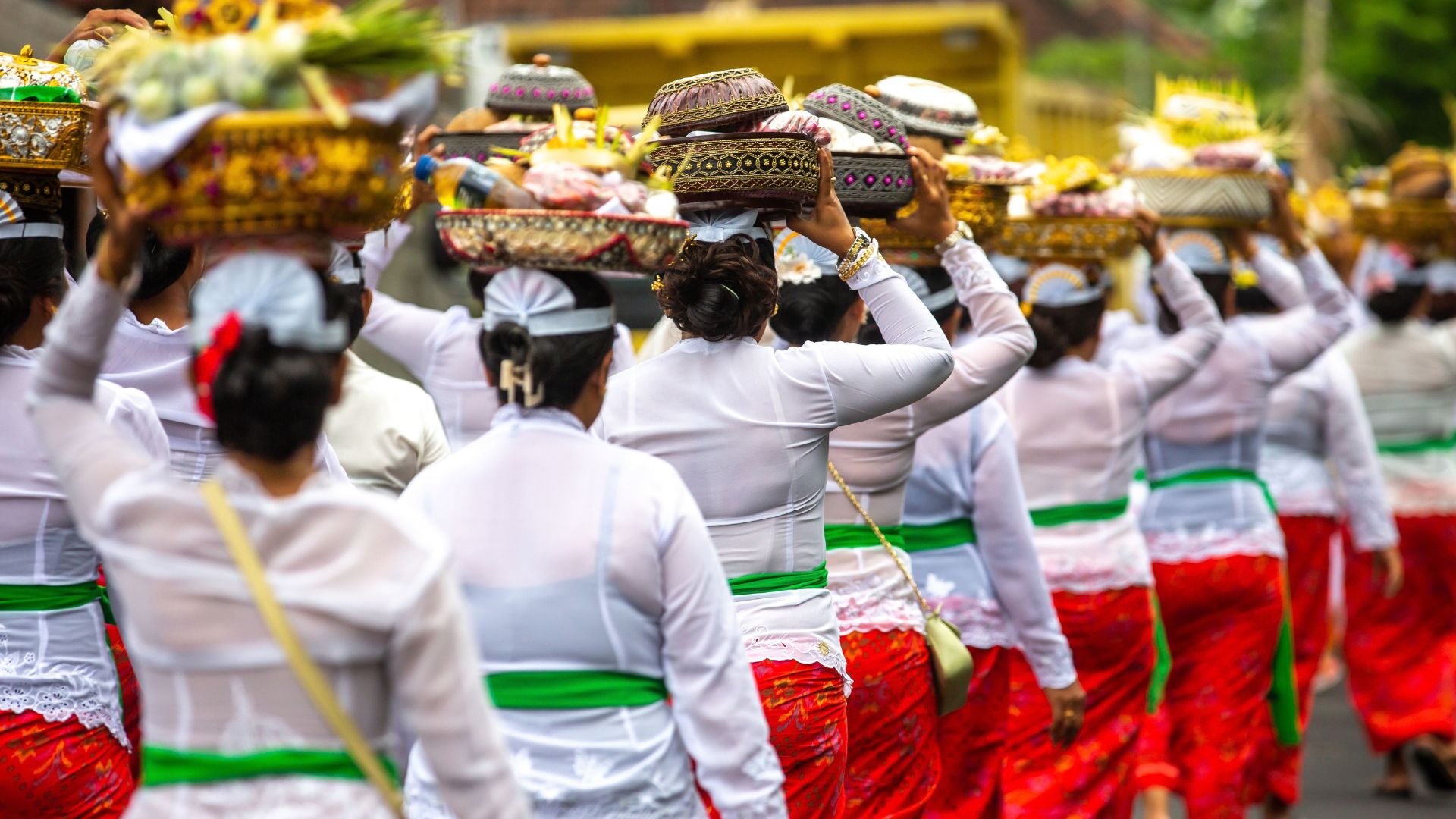






Yogyakarta will host the fourth edition of the Jogja Cultural Wellness Festival from November 6 to 8, 2026, transitioning the event from a standalone gathering into a platform designed to build the region’s broader cultural wellness ecosystem. Led by the Yogyakarta Tourism Promotion Board, the hybrid event will combine business matching for tourism stakeholders with public programming built around traditional Javanese practices such as archery, gamelan music and herbal remedies.
Key Facts At A Glance
- Event: Jogja Cultural Wellness Festival (JCWF) 2026
- Dates: November 6 to 8, 2026
- Venue: Loman Park Hotel, Sleman, Yogyakarta
- Organiser: Yogyakarta Tourism Promotion Board
- Chairman: Gusti Kanjeng Ratu Bendara
- First launched: 2023, this is the fourth edition
- Format: Hybrid B2B and B2C event
- Core pillars: Reconnect People, Reconnect Culture, Reconnect Wellbeing
Yogyakarta’s tourism authorities are repositioning a homegrown wellness festival as long-term destination infrastructure rather than a one-off event. The Jogja Cultural Wellness Festival, first launched in 2023, will run its fourth edition from November 6 to 8, 2026 at Loman Park Hotel in Sleman.
Gusti Kanjeng Ratu Bendara, chairman of the Yogyakarta Tourism Promotion Board, said the event evolves each year, with this edition marking a shift in direction and conceptual strengthening. Rather than functioning purely as a standalone festival, JCWF 2026 is designed to transition into a platform for developing Yogyakarta’s cultural wellness ecosystem over time.
Dual B2B And B2C Structure
The festival is built to serve two distinct functions. Its B2B component brings together government bodies and tourism stakeholders for collaboration, business matching, product development, wellness tour packages, networking and market access expansion. Its B2C component functions as an experiential platform for the public and travellers, offering direct exposure to Yogyakarta’s cultural wellness practices through programming spanning community initiatives, arts, nature, culinary experiences, healthcare and wellbeing.
The event draws together government agencies, hospitality providers, healthcare professionals, cultural communities and environmental advocates into what organisers describe as a collaborative network.
Traditional Practices As Functional Wellness Tools
Rather than treating wellness as a leisure add-on, JCWF frames traditional Javanese practices as practical tools for personal balance. Participants can learn focus and self-control through jemparingan, or traditional archery, explore rhythm and mindfulness through gamelan music, and study traditional health practices through jamu, or herbal remedies.
The programme is organised around three pillars: Reconnect People, Reconnect Culture and Reconnect Wellbeing. Central to the concept are longstanding community values including srawung (communal interaction), unggah-ungguh (social etiquette) and gotong royong (mutual co-operation). Bendara said these principles allow visitors to participate alongside local residents, who act as knowledge holders and cultural guardians rather than simple performers.
Organisers position JCWF as an alternative to standardised wellness retreats, suggesting that wellness does not require new remedies but can instead mean reconnecting with community, nature and inherited cultural values.